
Tag: PG Cert
-

Blog Task 3 : Intersectionality and Race.
Within the provided resources we encounter a range of perspectives on how institutions and their subjects are affected by policies designed to address systemic racism and inequality. In this post I hope to examine the resources and provide some reflective guidelines for the Fine Art Computational Art (FACA) technical team. Analysing the Resources : Bradbury…
-

Blog Task 2 : Intersectionality and Faith.
Within the provided resources we hear multiple accounts of how faith intersects with other identities such as race, gender and socioeconomic status. The examples are broad in scope and cover various religious identifies whilst exploring the complexities of faith and the social injustices that surround it. Analysing the Resources. The first video clip ‘Is religion…
-

Blog Task One : Intersectionality and Disability.
The interviewees featured in the example video clips each provide powerful arguments for the need for intersectional spaces and adjustments. In this post I’ll highlight the presented scenarios in which disability intersects with other social identities and will compare these with some examples from my experience as the Lead Technician on the Fine Art Computational…
-
Fine Art/Workflow.
In his highly influential 2014 blog post, Workflow/Rihanna (Shaviro, 2014), Steven Shaviro describes the evolution of traditional visual production effects via new digital workflows and describes their impact on the aesthetics of modern visual culture. As a specialist in videogames engines and their increasing use in Fine Art production, I have come to value the…
-
Technology & Classroom Layout.
Since taking part in the PG Cert observed practice sessions with photography technician Reinis Lismanis and my tutor John O’Reilly, I’ve been thinking a lot about technology and classroom layouts. I’ve also been pulling up some interesting studies on classroom layout for some inspiration for some tech feng shui! Both Reinis and John commented that…
-
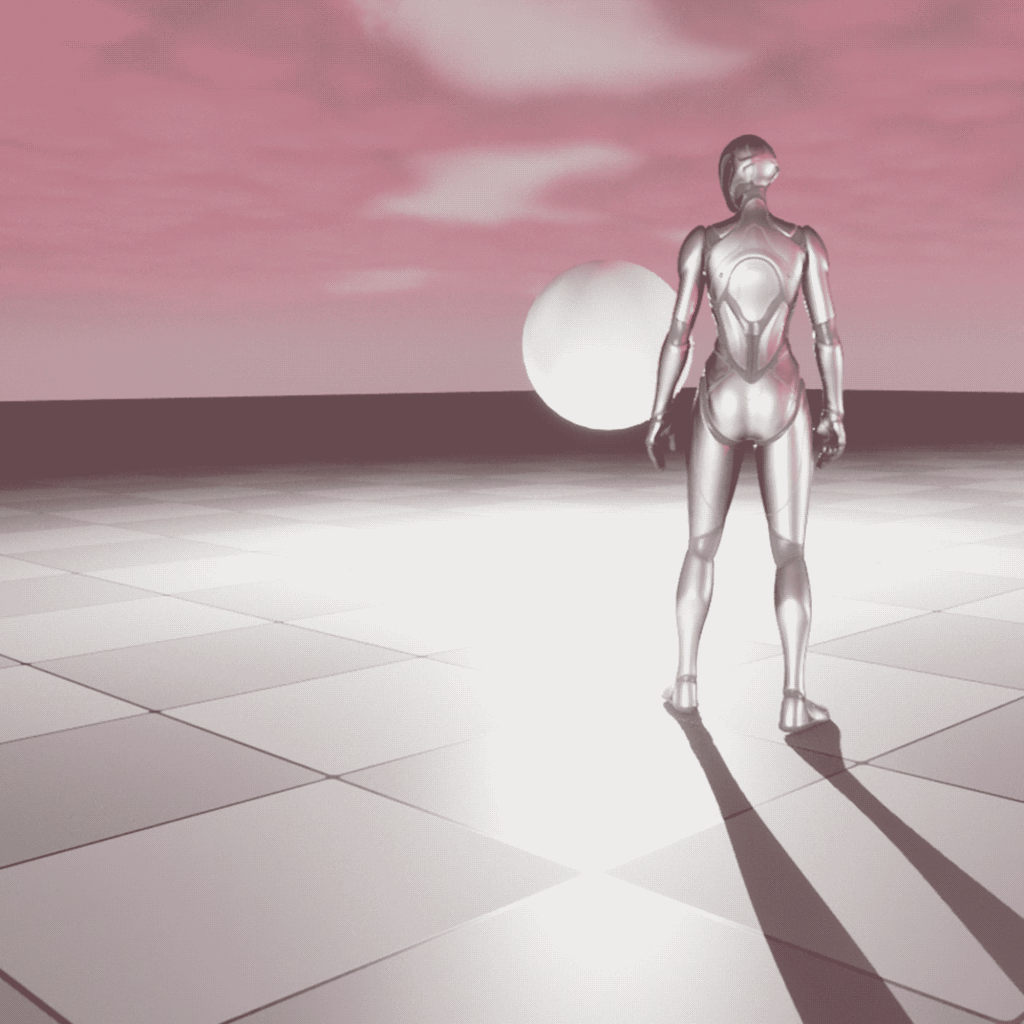
Record of Observation or Review of Teaching Practice : Part 3 (Observed by John O’Reilly).
Session/artefact to be observed/reviewed: FACA Intro to Unreal Engine Blueprints. Size of student group: Up to 8 Students Observer: John O’Reilly Observee: James Stringer Note: This record is solely for exchanging developmental feedback between colleagues. Its reflective aspect informs PgCert and Fellowship assessment, but it is not an official evaluation of teaching and is not intended for other internal…
-

Record of Observation or Review of Teaching Practice : Part 2 (Observing Reinis Lismanis).
Session/artefact to be observed/reviewed: Photography + AI Workshop Size of student group: Up to 6 students Observer: James Stringer Observee: Reinis Lismanis Note: This record is solely for exchanging developmental feedback between colleagues. Its reflective aspect informs PgCert and Fellowship assessment, but it is not an official evaluation of teaching and is not intended for…
-
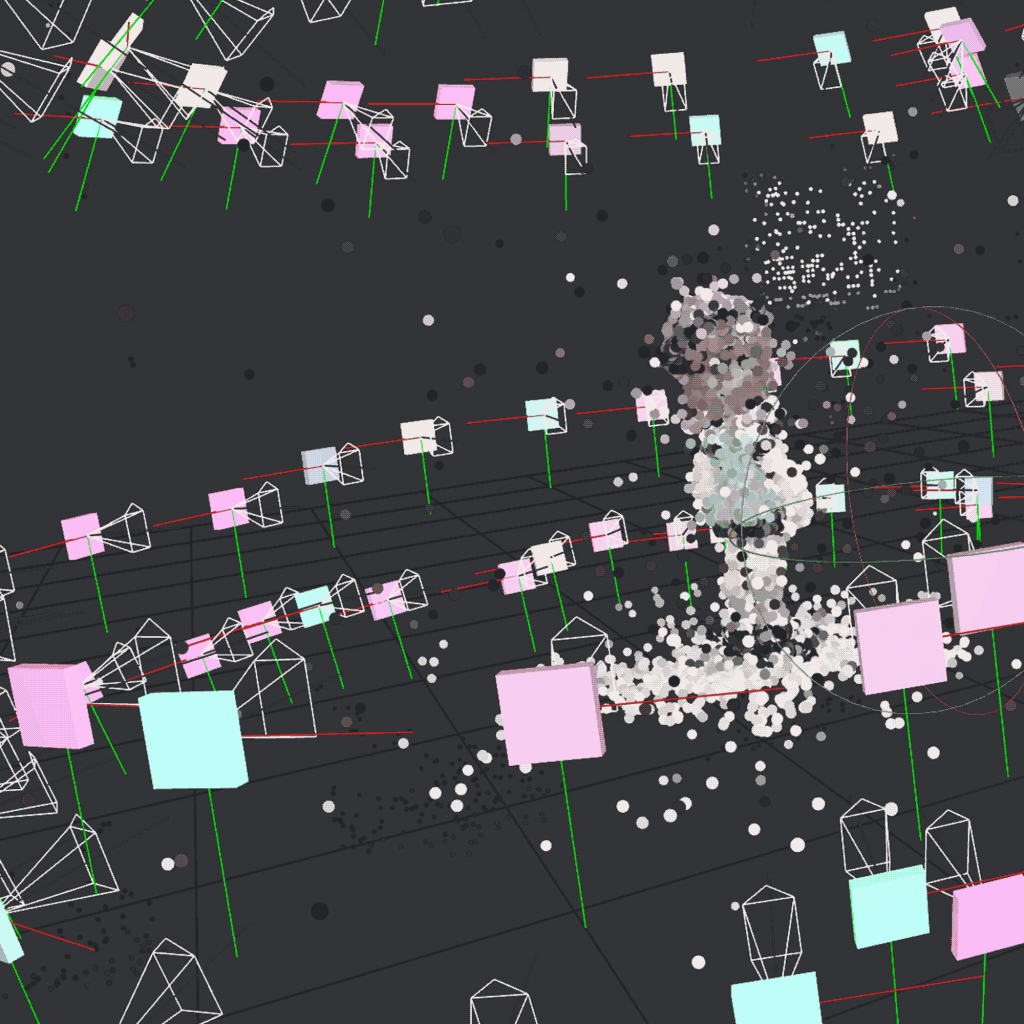
Record of Observation or Review of Teaching Practice : Part 1 (Observed by Reinis Lismanis).
Session/artefact to be observed/reviewed: FACA Photogrammetry Masterclass. Size of student group: Up to 10 Students Observer: Reinis Lismanis Observee: James Stringer Note: This record is solely for exchanging developmental feedback between colleagues. Its reflective aspect informs PgCert and Fellowship assessment, but it is not an official evaluation of teaching and is not intended for other…
-
Case Study 3. Re-Assessing the Fine Art Computational Arts (FACA) Technical Workshops Program.
Re-thinking the delivery strategy. As a technician on Camberwell’s Fine Art Computational Arts course I am solely responsible for organising and structuring the workshops program alongside academic feedback. I have identified a requirement for assessing student engagement with the technical workshops program in order to ensure parity of access across the Computational Arts cohorts. This…
-
Case Study 2. Effectively Enhancing Student Computer Literacy and Engagement With Industry Standard Tools.
Key Observations. Whilst it is assumed that students starting the Fine Art Computational Arts course may have a core interest in exploring technology as a part of their evolving art practices, it has become evident from my 4 years working on the course, that many Computational Arts students struggle with computer literacy. In this case…