
1. Studio Infrastructure Audit
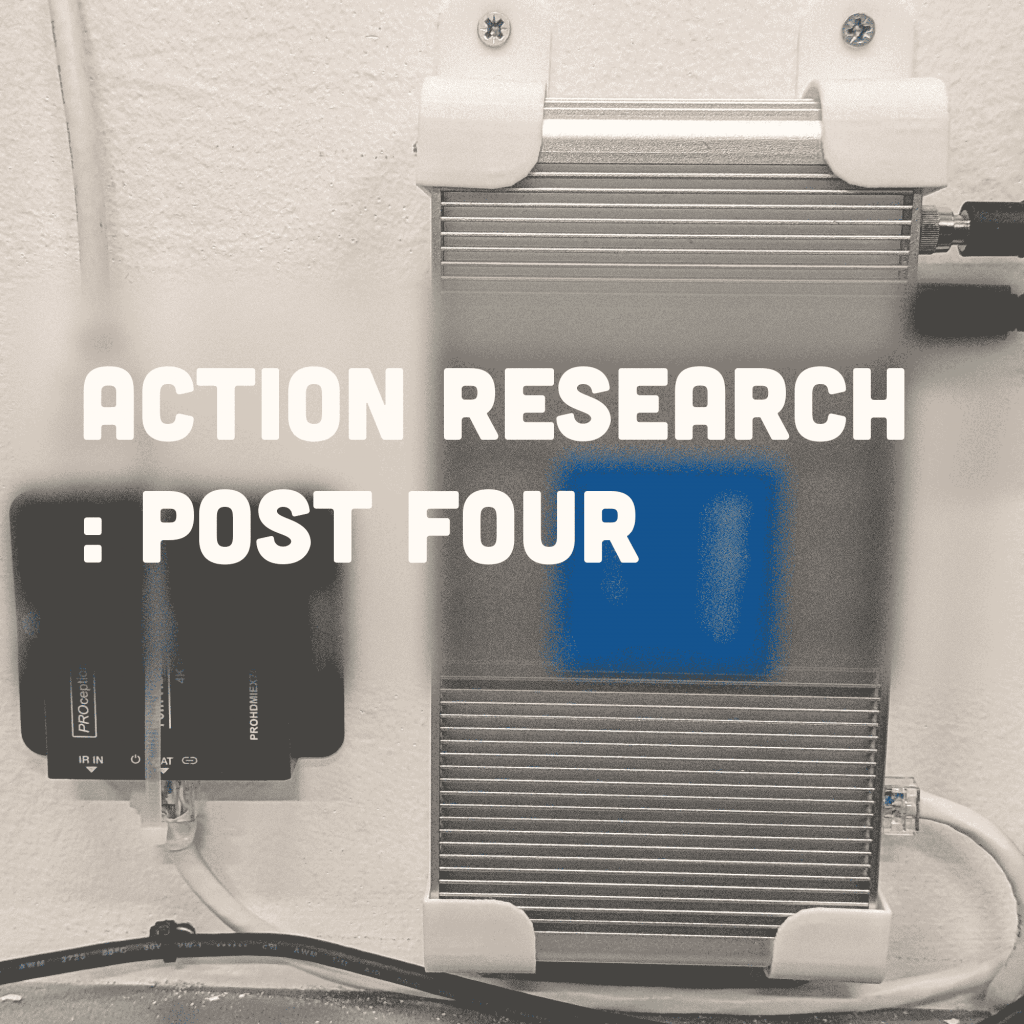
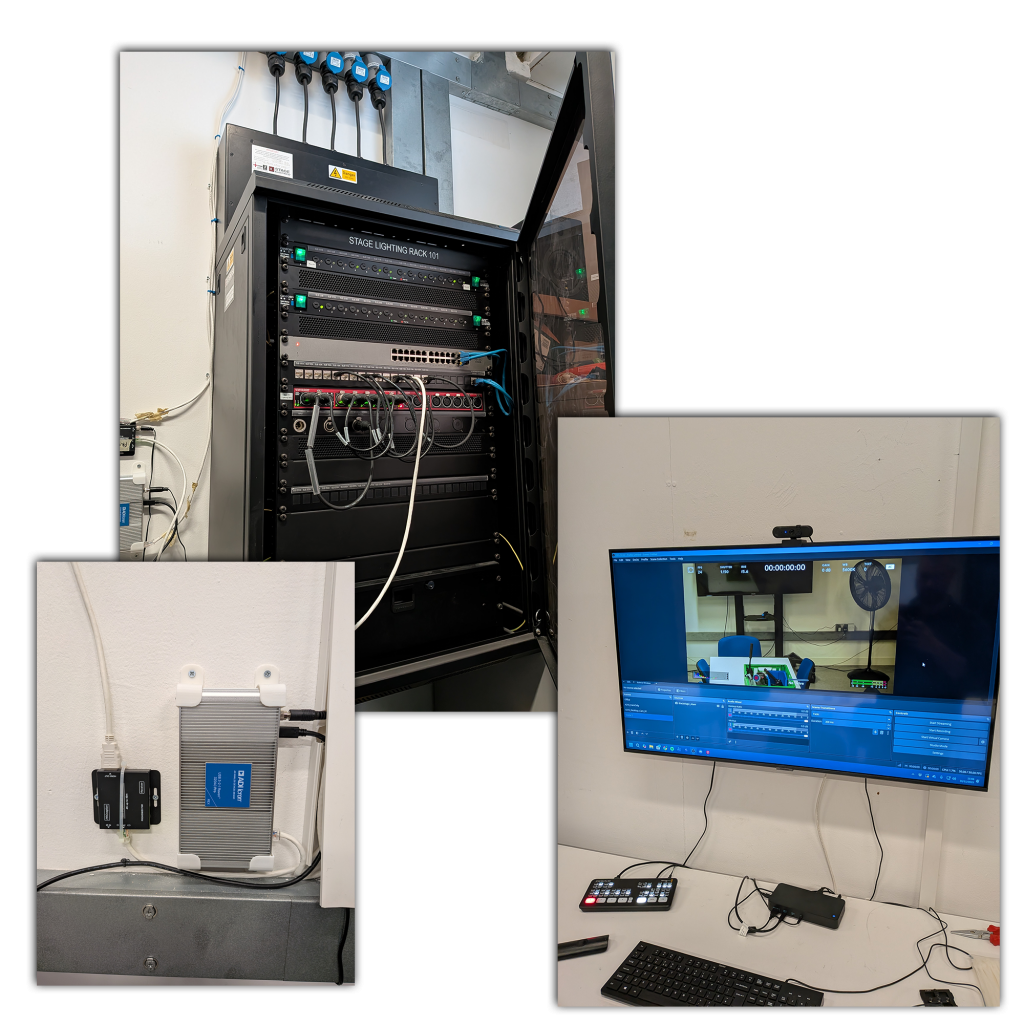
Before designing my intervention, I conducted an informal audit of the existing studio infrastructure in the Fine Art Computational Arts (FACA) Project Space A217, which was to be the delivery space for my prototype studio setup. The space is equipped with a theatrical lighting system (designed by Stage Electrics) that is controlled via CAT6 ethernet cabling routed to a ceiling mounted truss. Whilst originally installed for lighting control, this infrastructure already supports flexible data transmission into and across the space.
2. Fixed Learning Resources
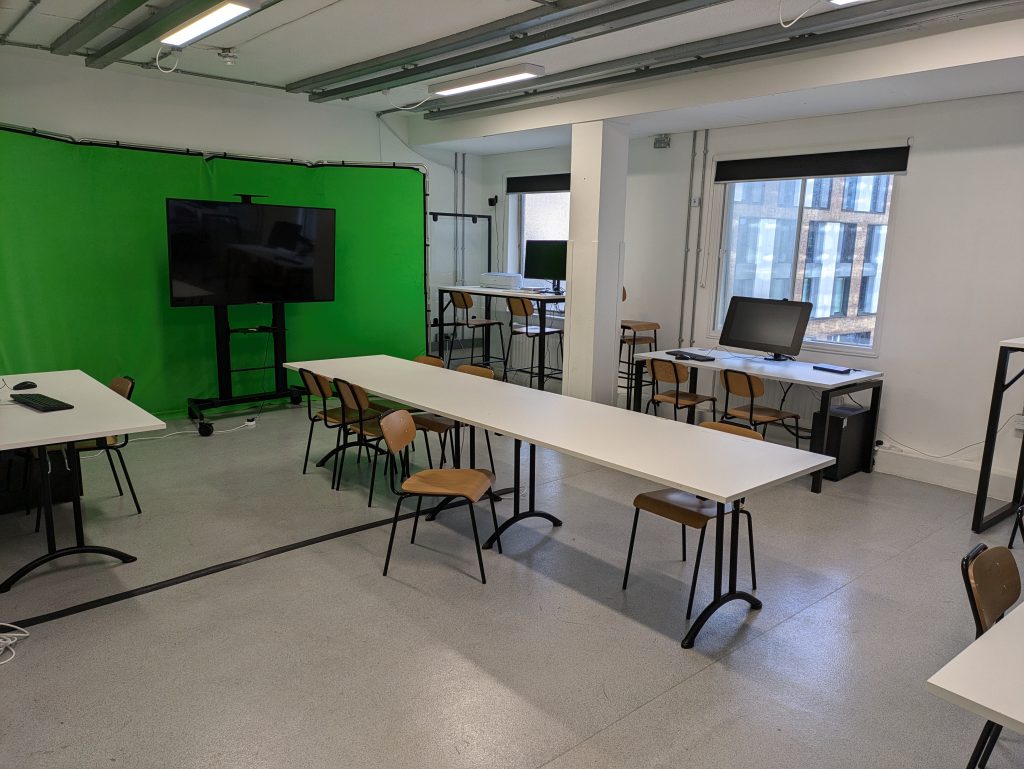
Over time, our parallel work space (A215) has become a computer room, prioritising fixed desk setups and locally housed computers, limiting special flexibility and pedagogical flexibility. Fine Art Computational Arts broad technology-focused learning centres on criticality and art making. As the students do not specialize in specific software or hardware, they use this computer room as a drop-in space, meaning it sometimes becomes underutilised outside of academic crunch periods and workshops. These fixed workstations are also prone to damage from any workshops taking place in the room that might require wet or dusty experimentation.
3. Baseline Observations
My baseline observations of the FACA spaces highlight the core tension that whilst physical space is tight, network infrastructure is comparatively being underutilized. From an Action Research perspective, this gap represents an opportunity for an intervention based in what already exists rather than a speculative redesign. These observations have directly inspired the prototype that I’ll be highlighting in my next post…
Leave a Reply