
Tag: PG Cert
-
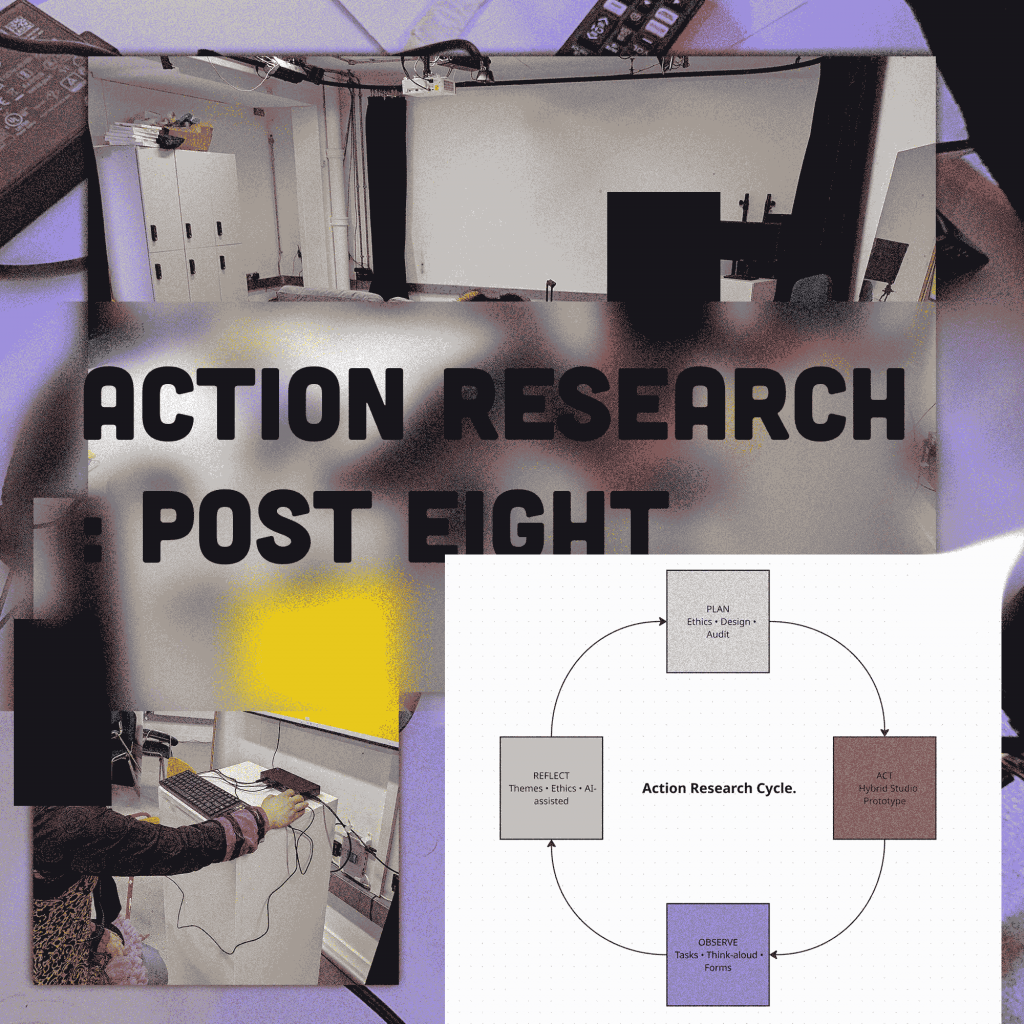
Action Research Intervention Post Eight: Action Research Presentation.
1. The First Completed Action Cycle The presentation embedded below covers the first completed research cycle, documented across the previous 10 posts of this blog. It brings together the project context, ethical considerations, intervention design, enacted practice and reflective insights arising from the pilot sessions. The slides draw directly on participant narration, feedback form data…
-
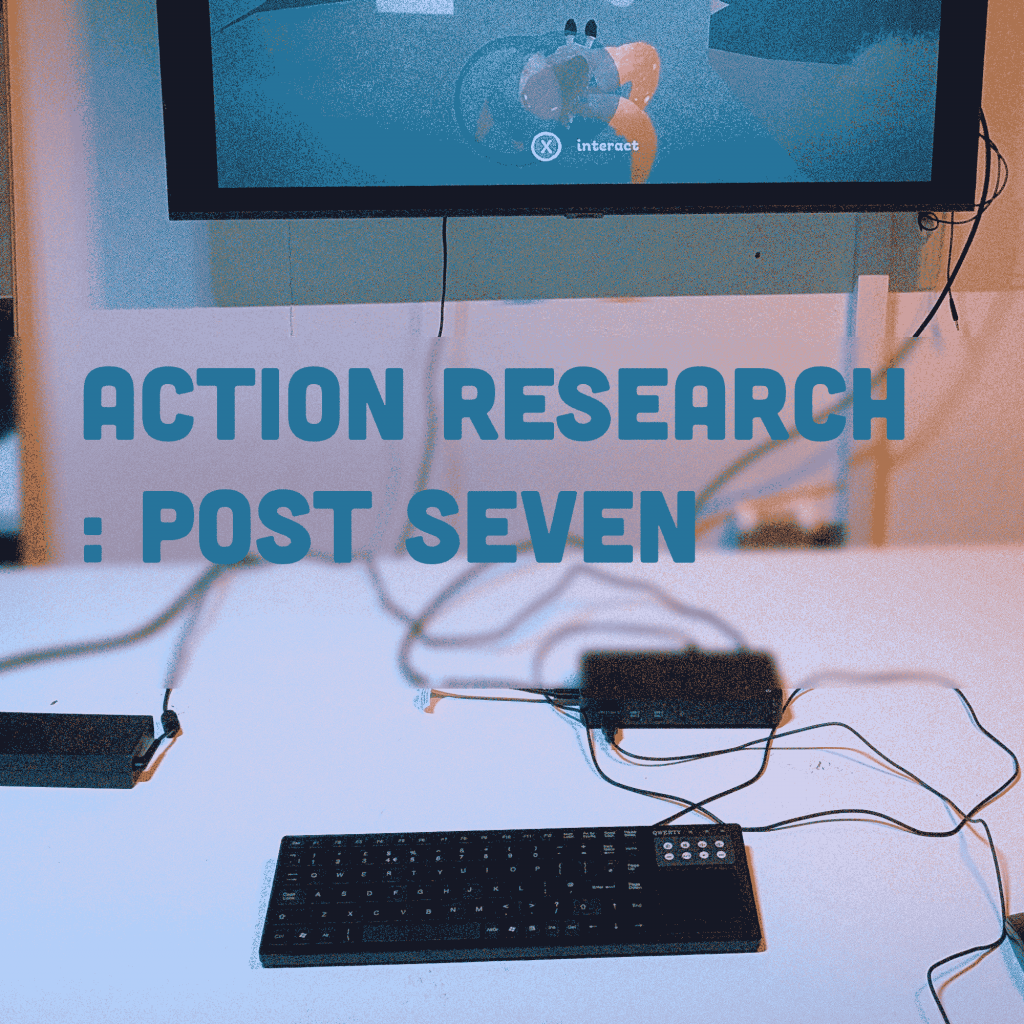
Action Research Intervention Post Seven : Reflections on Constraints, Ethics and Emerging Insights
1. The First Cycle In this post I’ll survey the first enacted cycle of my Action Research Project (ARP), by examining three think-aloud transcripts recorded from three intervention sessions and post-activity feedback collected via Microsoft Forms. To align with Action Research principals, reflection is being used here to interpret how the intervention worked in practice,…
-
Action Research Intervention Post Six : Anticipated Use, Accessibility & Evaluation Methods
1. Evaluation Strategy Although the intervention has not yet been enacted, this post outlines how it will be evaluated once implemented. In keeping with an Action Research approach, my evaluation strategy prioritises situated observation and participant experience, recognising that meaningful insights may emerge through active participation rather than abstract measurement alone (McNiff, 2013). I’ve therefore…
-
Action Research Intervention Post Five : Proposed Intervention Design – Hybrid Fine Art Studio Space Prototype (Pre-Intervention)
1. Act In this post I’ll cover the design for my proposed intervention. At this point the intervention has not yet been enacted, so I intend here to outline the outcomes of the planning, ethical review and technical survey stages of the research cycle. In terms of Action research, this represents the ‘Act’ phase as…
-
Action Research Intervention Post Four : Baseline Studio Infrastructure & Constraints
1. Studio Infrastructure Audit Before designing my intervention, I conducted an informal audit of the existing studio infrastructure in the Fine Art Computational Arts (FACA) Project Space A217, which was to be the delivery space for my prototype studio setup. The space is equipped with a theatrical lighting system (designed by Stage Electrics) that is…
-
Action Research Intervention Post 3 : Literature Review & Methodological Grounding
1. Framework & Methods This post unifies two strands of this project: the methodological framework that informs my Action Research design and the specific methods planned for the intervention. The project draws on literature in Action Research, inclusive design and hybrid education to shape the task-based methods I have described below. Key sources for this…
-
Action Research Intervention Post Two : Ethical Action Plan
1. Methodological and Practical Considerations This post contains my Ethical Action Plan, submitted here as a stand alone document. The plan outlines the ethical, methodological and practical considerations of the project, including informed consent, data protection, participant well-being, power dynamics and my own reflexivity as a researcher. It also clarifies the scope of the project…
-
Action Research Intervention Post One : Context, Social Justice Issues & Rationale
1. Context This Action Research Project emerges from my role as a Lead Specialist Technician on the Fine Art Computational Arts (FACA) Course at Camberwell, supporting studio based learning across the department. It is also informed by 15 years of experience working professionally as an art producer and technician for artists and creative institutions across…
-
Intervention Reflective Report – Beyond Accommodation : Universal Design for Post-Digital Fine Art Studio Spaces.
1. Introduction As the Lead Specialist Technician of the Fine Art Computational Arts (FACA) courses I occupy a unique position at the intersection of technology and Fine Art practice. My role involves the design and maintenance of FACA technical resources, ensuring their ability to inspire and enhance artistic expression. In this capacity I increasingly recognise…
-
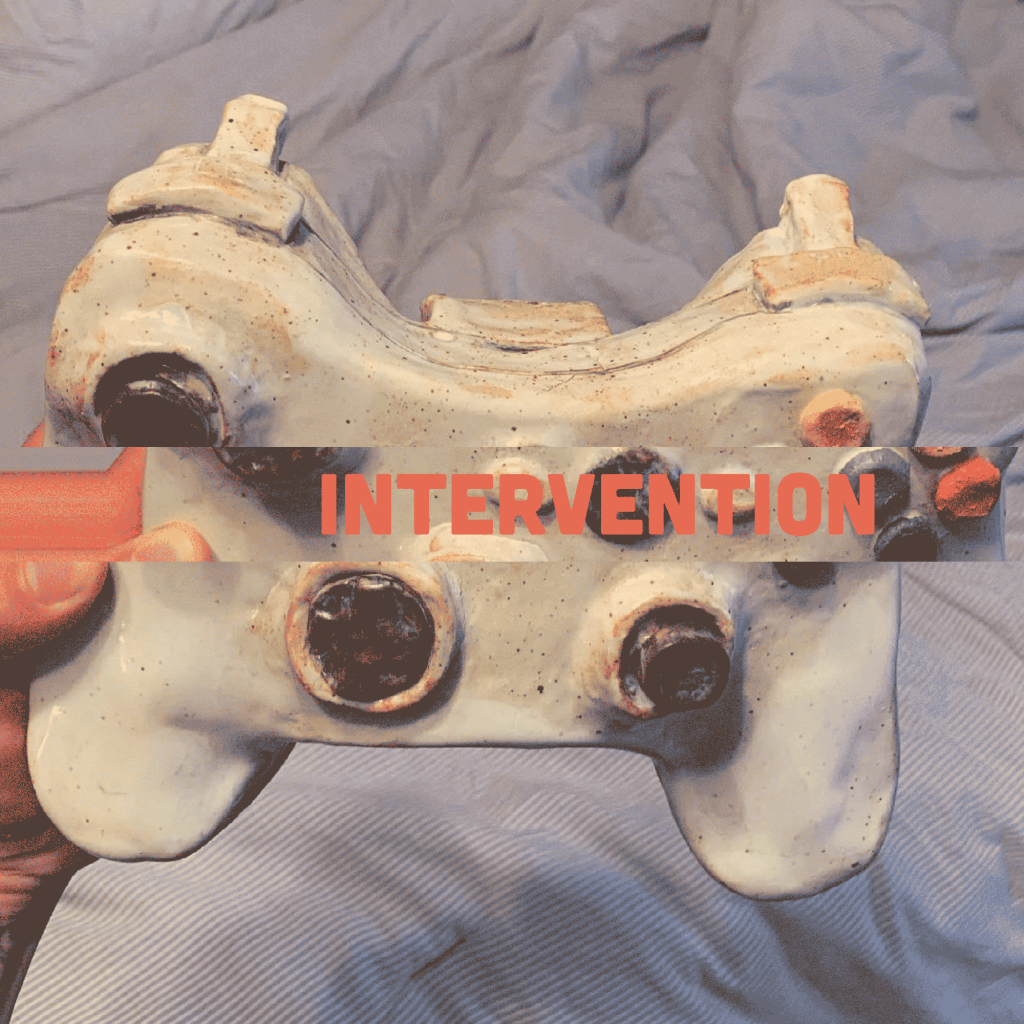
Intervention summary proposal : The FACA Technical Inclusivity Model.
Over the course of the last two years I have migrated the Fine Art Computational Arts (FACA) technical online resources from Moodle to Microsoft SharePoint in order to create a more holistic communications, learning and services system for the FACA course.This was a huge undertaking that required me to build a new digital identity for…